Great News Daily. All the news that’s fit to uplift.

No. 5AI & Tech edition ↗
Good news. Eyes open.

Real progress, curious people and useful ideas. A short read with sources, a sense of humor, and no obligation to pretend everything is fine.

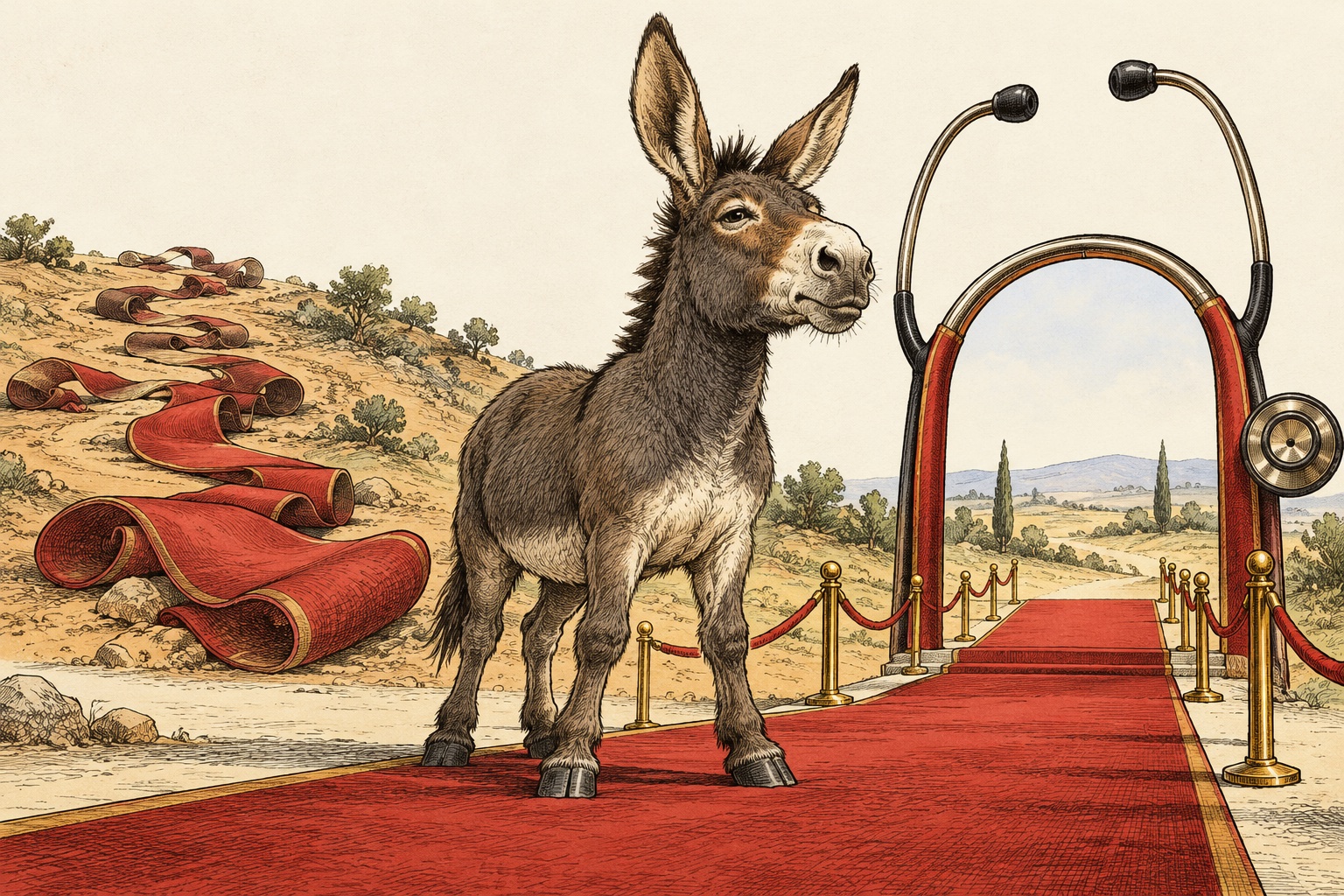
Conceptual illustration of a donkey on a red carpet beneath a stethoscope arch; not the actual hospital.
Original editorial illustration

CARE CLOSER TO HOME

The donkey gets the shorter route

A Texas hospital brings veterinary care nearer to the rescue auction.

Read the story

Oscar's Place opened its Collinsville, Texas, donkey hospital on September 5. Its founder, Ron King, told reporter Roger Coryell that rescued animals had previously faced a 32-hour trip to California, where illness could worsen and spread during transport.

The new facility receives animals near the Bowie auction, allowing assessment and treatment before the onward journey. The first group arrived on September 6. Veterinarian Kate Schoenhals said at least half of those 14 donkeys had flu.

Healthy animals can later continue to California for rehabilitation and adoption. This is a practical change in the rescue process, not proof that every outcome has improved. Sometimes better care starts by moving it closer.

The Mendocino Voice · original interviews ↗

Source published September 27, 2026

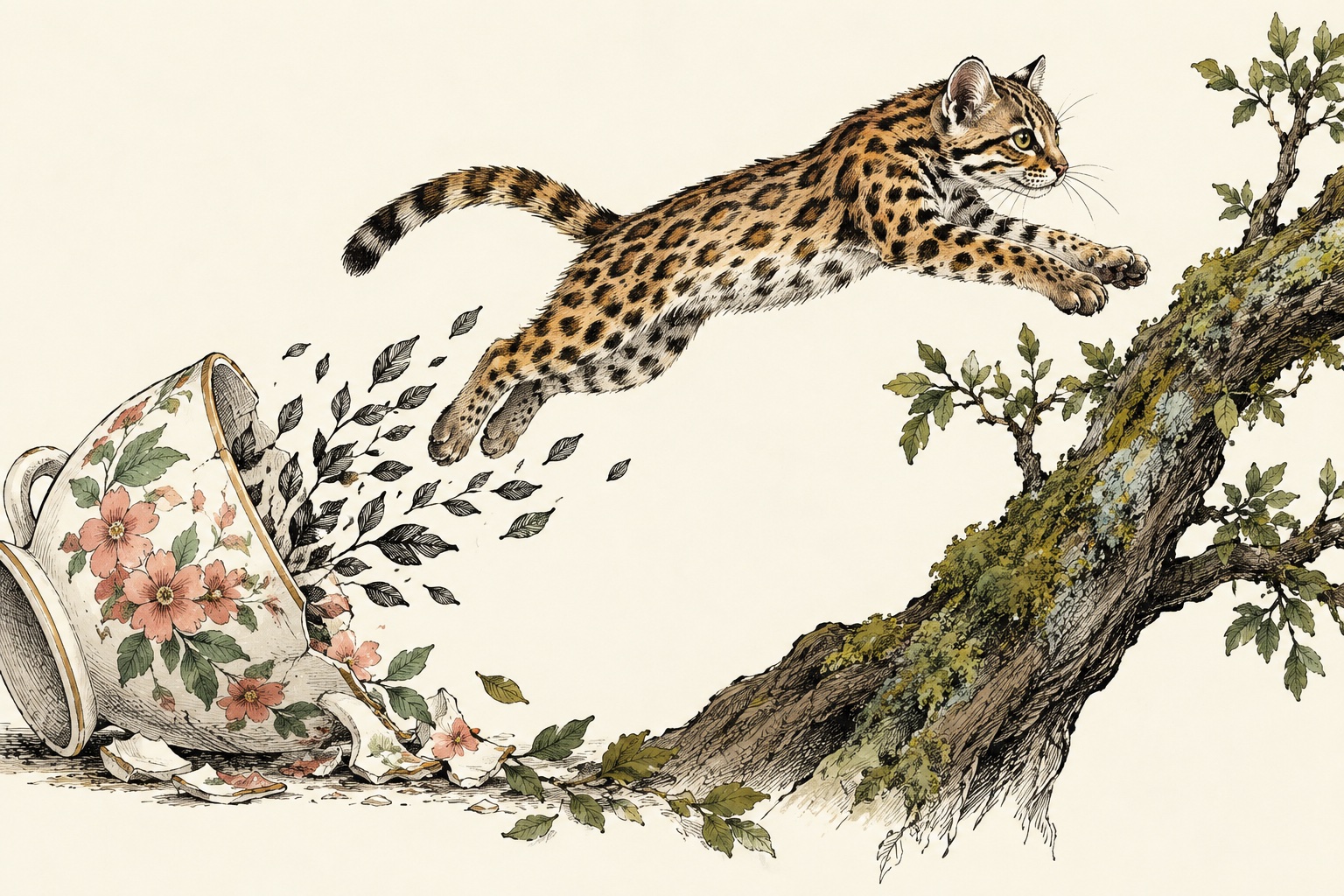
Conceptual illustration of a wild leopard cat leaping from an oversized teacup toward a branch, symbolizing independence.
Original editorial illustration

BACK TO THE WILD

Graduating from everybody's care

Rescued leopard cats practice the skills that make them less dependent on people.

Read the story

At a government rescue center in Khon Kaen, Thailand, young leopard cats practice climbing and hunting before release. Mongabay reporter Ana Norman Bermúdez witnessed nine rehabilitated cats return to the forest; her account was published October 7.

The center reported lower mortality among admitted cubs this year, roughly 33% compared with 60% in earlier years. Those are the center's figures, not a controlled study of the program.

Survival after release is still uncertain. Camera traps offer glimpses, but staff cannot reliably track every animal. Nearby release habitat is also limited. The real achievement is giving these cats a chance to live independently, while being candid about what happens beyond the cage door.

Mongabay · reporting from the rescue center ↗

Source published October 7, 2026

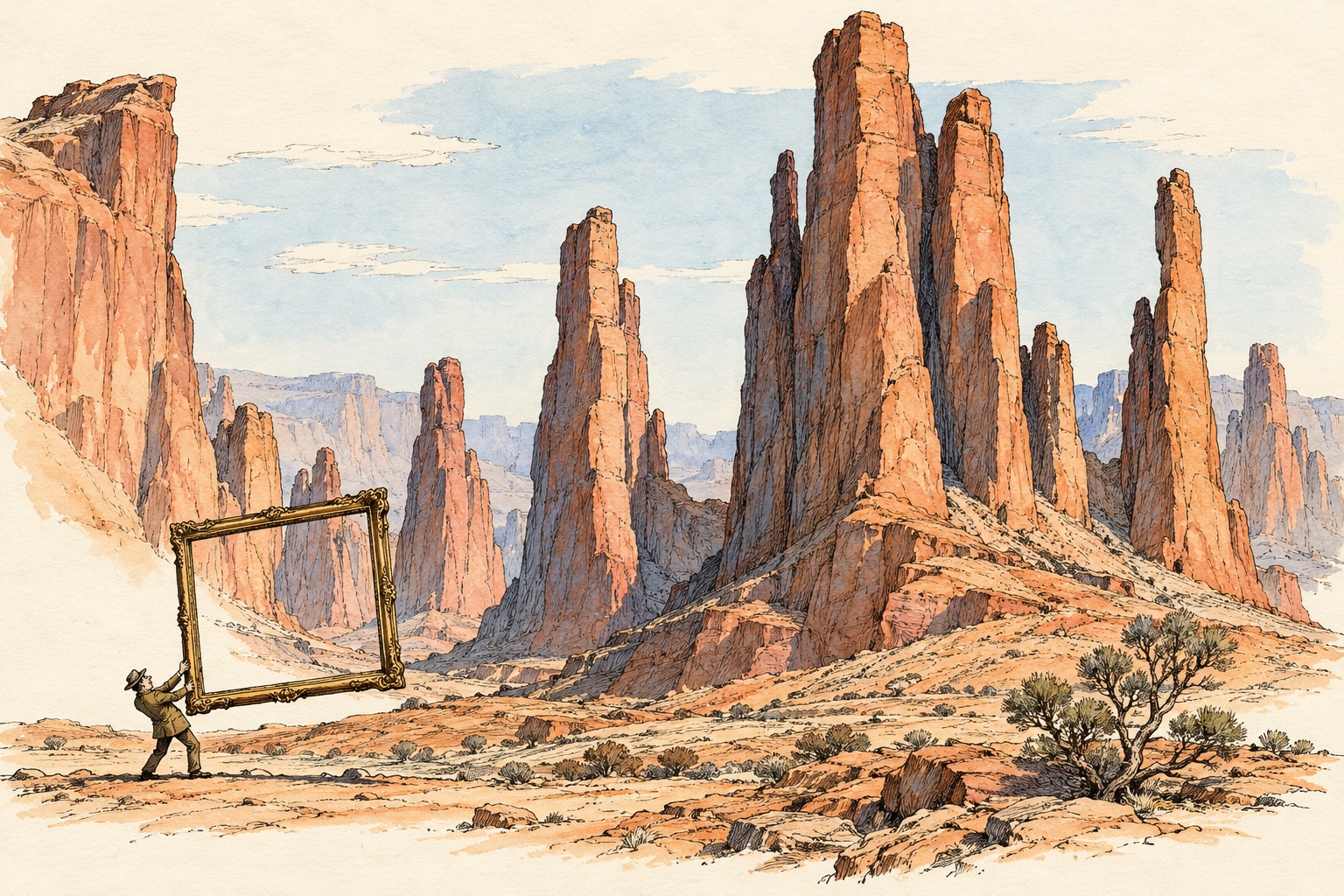
Conceptual rock spires dwarf a tiny person holding a picture frame; not an exact view of Chiricahua.
Original editorial illustration

A LANDSCAPE RECOGNIZED

The rocks remain unimpressed

Chiricahua has a new national-park title. Its extraordinary landscape was already there.

Read the story

Chiricahua National Monument became Chiricahua National Park on October 20. The National Park Service says the designation recognizes the southeastern Arizona landscape's natural and cultural importance.

Its volcanic spires rise where desert, grassland and forest meet. The area is also part of the homeland of the Chiricahua Apache, with a human history that deserves as much attention as the balanced rocks.

This is recognition of a place protected as a national monument since 1924. The designation should not be mistaken for 12,000 newly protected acres. The continuing work is caring for the landscape and its heritage, long after the new sign attracts its first photograph.

National Park Service · designation announcement ↗

Source published October 20, 2026

Take something good with you

Small steps count. So do the people taking them.

Know a story that deserves a little daylight? Keep looking close to home.

Create your own newspaper ↗