Great News Daily. All the news that’s fit to uplift.

No. 11AI & Tech edition ↗
Good news. Eyes open.

Real progress, curious people and useful ideas. A short read with sources, a sense of humor, and no obligation to pretend everything is fine.

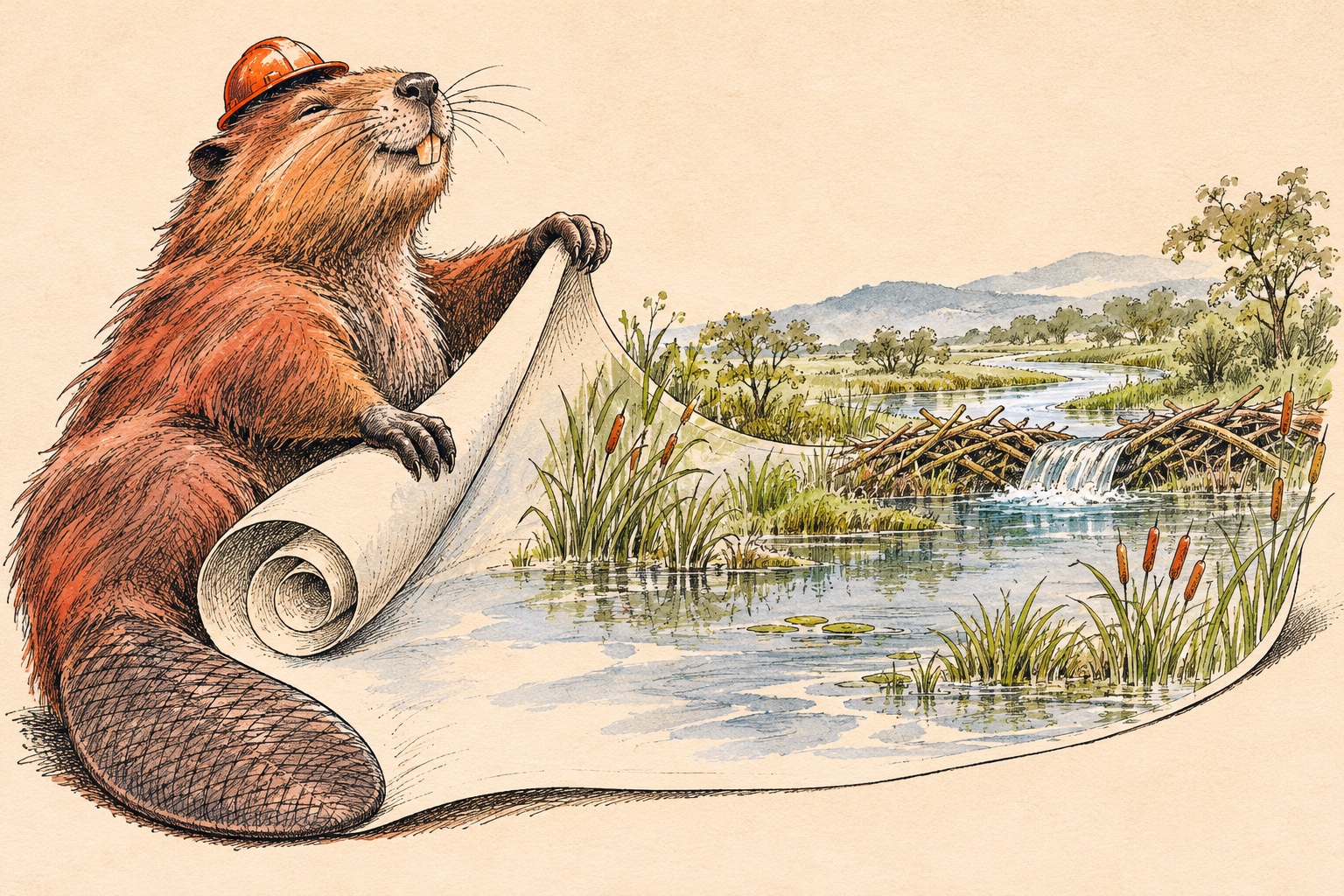
Conceptual illustration of a beaver unrolling a blank plan that becomes a wetland.
Original editorial illustration

Nature · Scotland

The wetland contractors have planning permission

A new licence allows up to 15 beaver families into the River Ness catchment over three years.

Read the story

NatureScot has approved releases at agreed sites in the River Ness catchment. Trees for Life and Beaver Trust hold the licence; it authorizes a programme, rather than confirming that all the animals have arrived.

The appeal is practical as well as furry. Beaver ponds and wetlands can make room for other species and help moderate water flows. NatureScot judged the landscape suitable, while acknowledging concerns from residents and land and fisheries managers.

Monitoring and mitigation are part of the plan. Animals selected for relocation will come from places where farmland conflicts could not be resolved, and will receive health screening. Permission is the opening chapter. The results still need watching.

NatureScot · licence announcement ↗

Source published October 30, 2026.

Conceptual illustration of an unlabelled medicine vial opening a gate, with further barriers along the path.
Original editorial illustration

Health · Access

A small vial gets closer to a much wider door

A lower-cost generic HIV prevention injection has cleared an important regulatory step. Delivery comes next.

Read the story

Unitaid reports that Dr. Reddy’s has received FDA tentative approval for generic injectable lenacapavir, used for twice-yearly HIV prevention. An existing agreement sets a medicine price of US$40 per person per year for 120 eligible low- and middle-income countries.

Tentative approval is a specific regulatory category, not permission to market the generic in the United States. The FDA uses it for medicines that meet approval requirements but face patent or exclusivity restrictions.

Unitaid expects initial supplies by the end of 2026 and wider availability in 2027. Those are projections, not completed deliveries. National approvals, funding and health systems able to provide the medicine still matter. The encouraging development is a cheaper option moving closer to use.

Unitaid · access and approval announcement ↗

Source published November 2, 2026.

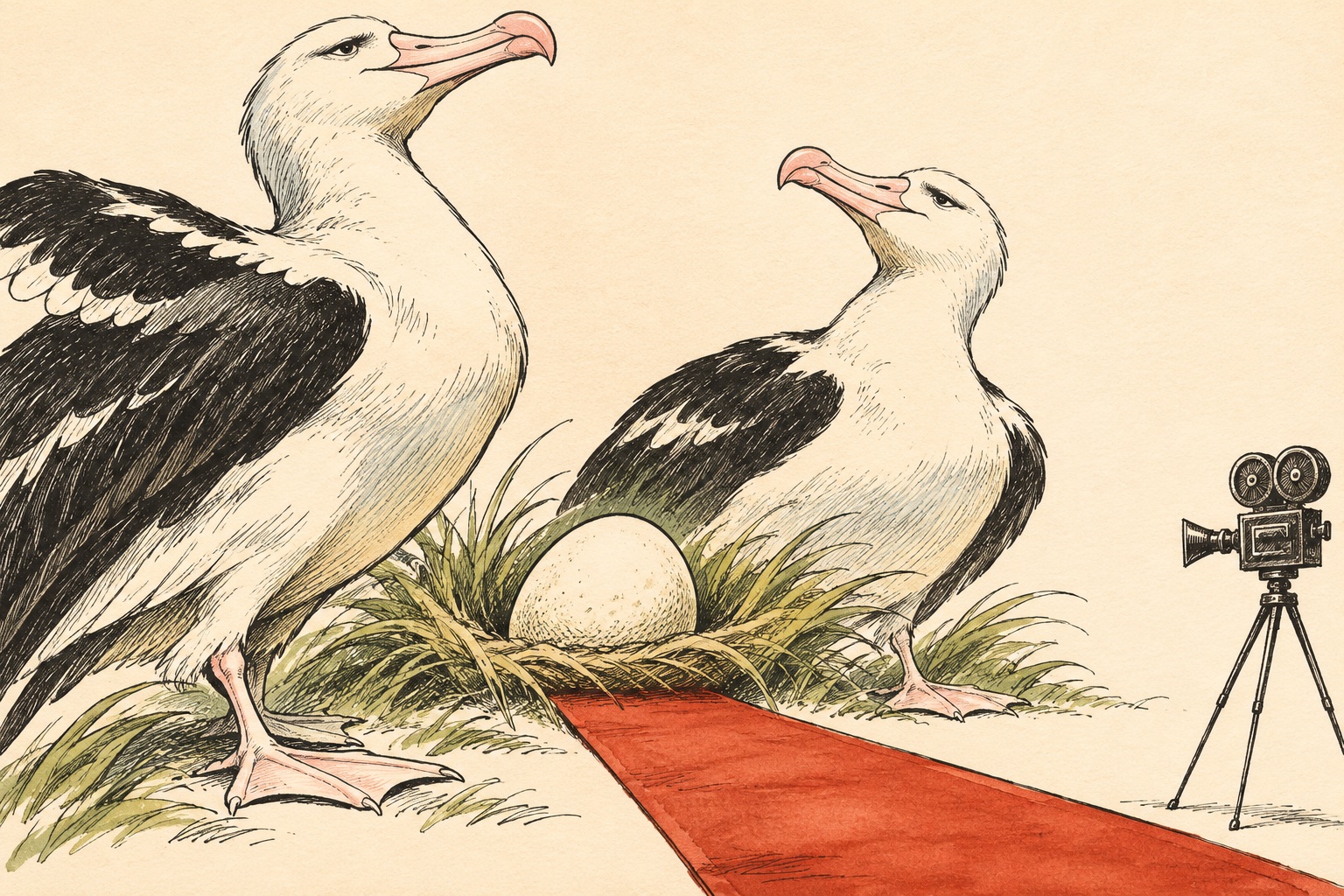
Conceptual illustration of two albatrosses beside an egg, with a theatrical red carpet and camera.
Original editorial illustration

Wildlife · New Zealand

The newest livestream star is an egg

Royal Cam viewers caught an albatross laying live. The long incubation shift has begun.

Read the story

On November 1, viewers watching Royal Cam at Pukekura/Taiaroa Head saw a northern royal albatross lay an egg. New Zealand’s Department of Conservation says this was the first time its viewers had witnessed the laying live.

The female, known as L, and her mate are sharing incubation duties. Rangers expect roughly 79 days of sitting and planned to check fertility after 10 to 12 days. An egg is a hopeful beginning, not a confirmed chick.

The previous breeding season ended with a record-equal 38 chicks fledging from the colony. That is a local achievement, not proof that the species is secure. For now, this season’s drama involves patience, careful conservation work and one very small leading role.

New Zealand Department of Conservation ↗

Source published November 4, 2026.

Take something good with you

Small steps count. So do the people taking them.

Know a story that deserves a little daylight? Keep looking close to home.

Create your own newspaper ↗