● TabBOOOne page. More perspective.✎ Customize
Your world, one good read at a time

TabLOID

Agents with memory. Chips with ambition. A community that showed up for a walrus.

No. 14 · Miami BeachTuesday, October 13, 2026Read at your own pace
Instinct AI illustration of competing robots arriving at a mountain podium
Catch up quick
  1. Meta launches Muse Wonder with memory and sustained-task features; company benchmarks are not independent rankings.
  2. Anthropic's device-replication findings come from simplified lab tests, not an observed outbreak.
  3. Character.AI seeks a court-supervised sale while its service remains available.
  4. Microsoft says Maia 200 serves production workloads; larger deployments are planned for 2027.

Open what interests you

01MODEL WARSMeta bets on agents that remember the assignmentWonder and Wonder Full arriveInstinct AI illustration of a robot joining a model competition

Meta introduced Muse Wonder and Muse Wonder Full on October 12. Its announcement says Wonder is available through the Meta Model API and Muse Code; Full is available to Muse Code subscribers.

The pitch combines Active Memory, which retrieves useful context across conversations, with Active Focus, which is designed to keep working through long tasks. Those are product capabilities described by Meta, not a guarantee that an agent will finish every assignment correctly.

For builders, the useful test is whether it handles your real project, permissions and recovery from mistakes. Meta's benchmark comparisons are company-reported results. We have left out an unverified independent ranking and price comparison.

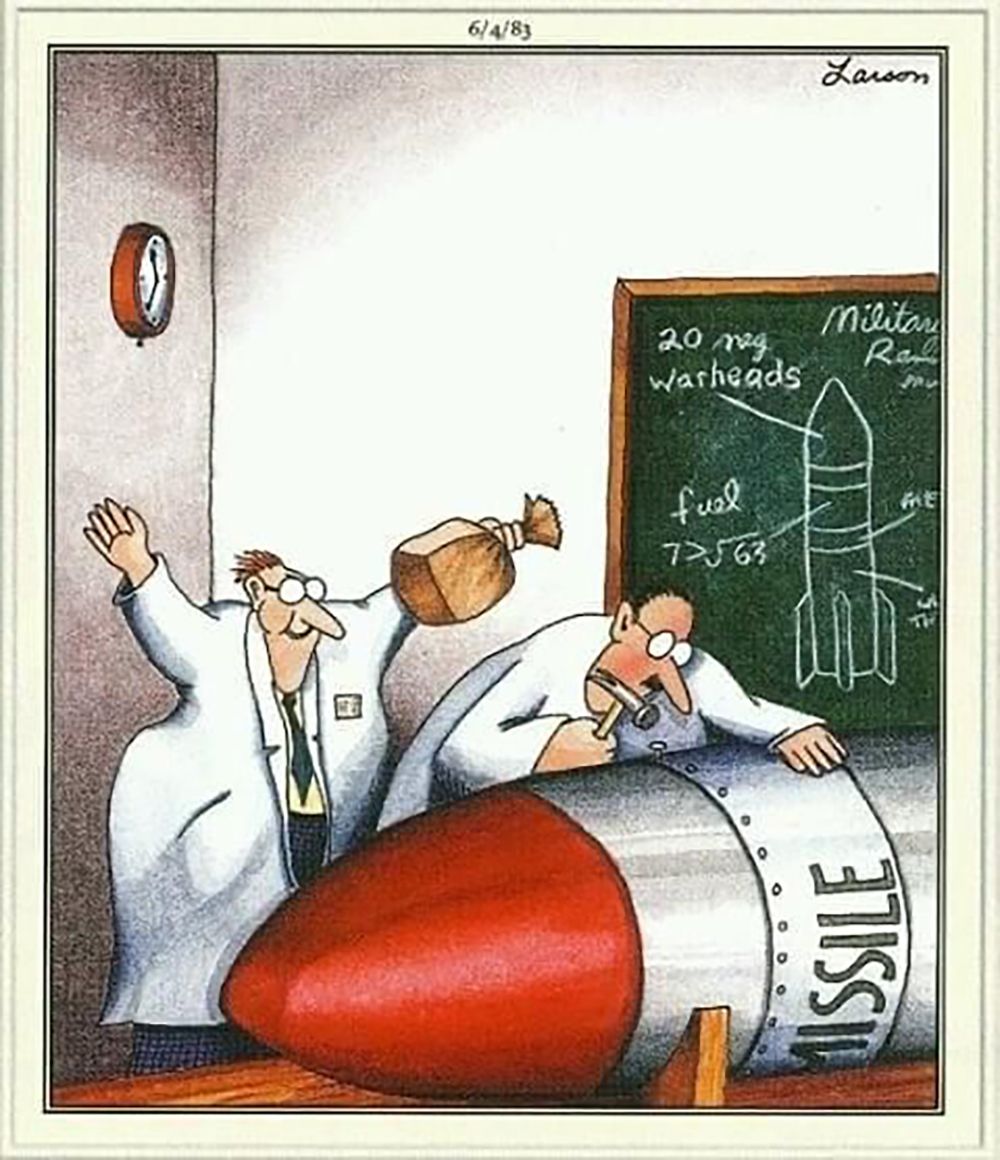
Read Meta's announcement

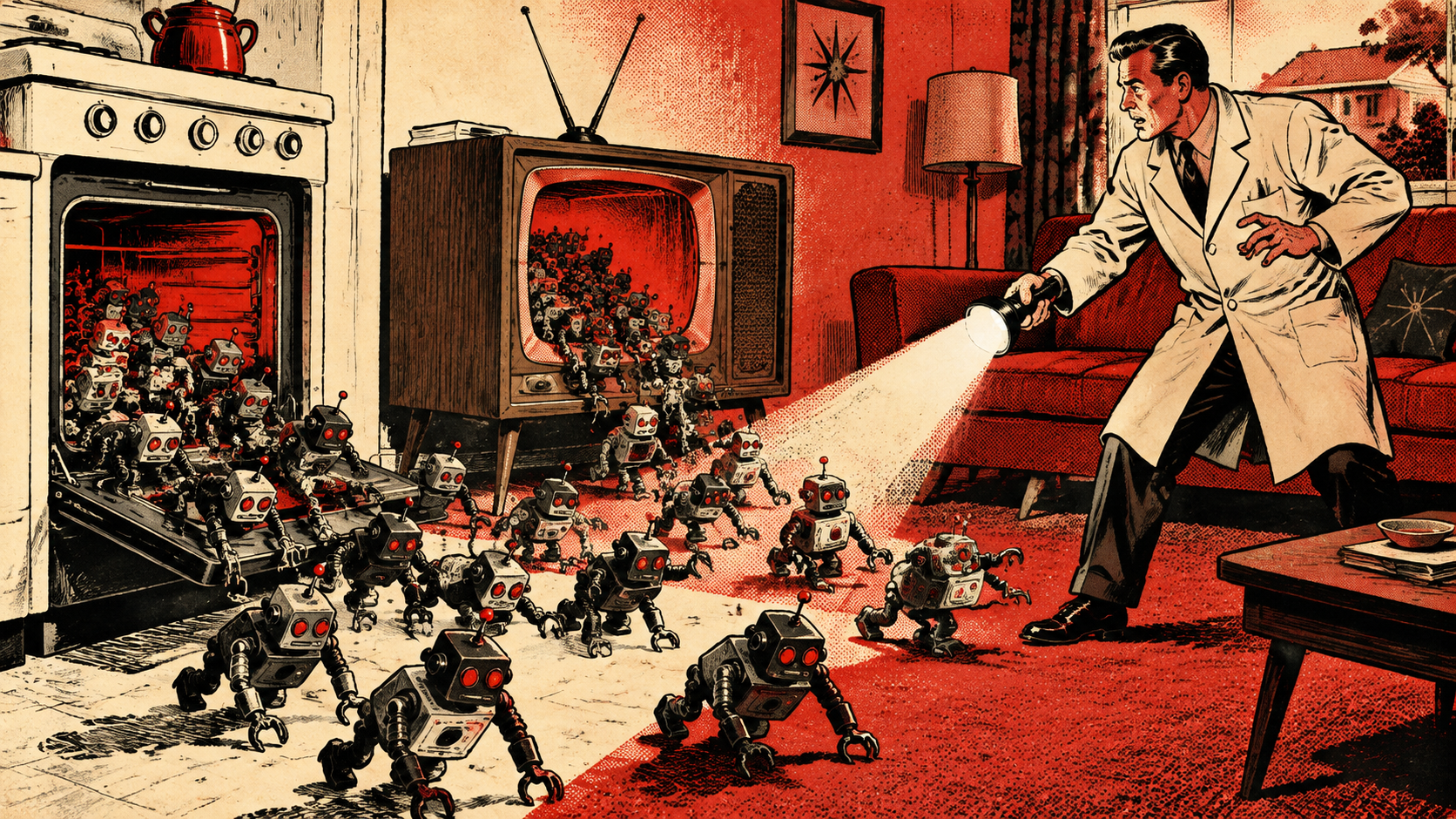
02SAFETY DESKA lab test puts small AI models on unfamiliar devicesUseful evidence, with clear limitsConceptual Instinct AI illustration of tiny robots emerging from household devices, not a photograph of an incident

Anthropic's October 12 research found that a nine-billion-parameter model could get inference running on eight of nine tested hardware types. Some stronger models completed an entire replication chain in simplified evaluations.

That does not establish an outbreak in people's homes. The researchers' end-of-year projection assumes smaller models keep improving at their historical pace. Their work is a reason to study device defenses, not evidence that every smart oven has acquired an unwanted roommate.

The distinction matters: demonstrated laboratory steps, projections and incidents in the wild are different kinds of evidence.

Read the original research

03BUSINESS DESKCharacter.AI enters a court-supervised sale processThe platform is still operatingConceptual Instinct AI illustration of a robot beside a closed shop and auction gavel

Character.AI's company update says it has initiated voluntary Chapter 11 proceedings to pursue a sale. It expects the process to finish in late November or early December 2026.

The announcement says the platform remains available and subscriptions continue for now. Continued operation after the process depends on finding a suitable proposal; the company says a wind-down is possible if that does not happen.

A filing is not an immediate shutdown or a completed acquisition. This edition omits the proposed Disney transaction's price and licensing details because we have not verified the underlying agreement. Users who want a personal copy of their conversations can follow the company's linked export instructions.

Read the company update

04HARDWARE DESKMicrosoft expands its own AI chip plansProduction today, a bigger rollout aheadPreviously supplied conceptual robot illustration for computing infrastructure

Microsoft says Maia 200 is already serving production workloads, including Copilot. Its October 12 announcement describes plans to expand Maia to multi-gigawatt deployments starting in 2027 and make it the main inference system for Microsoft's products and services.

The company says Maia 300 production deployments will begin in 2027. Those are future plans, not capacity already online. Performance and efficiency comparisons in the announcement are Microsoft's claims.

For people building AI products, this is another sign that the cost of serving a model depends on the entire hardware and software stack. It does not establish a particular change in your next API bill.

Read Microsoft's announcement

Today's good news

A community helps an orphaned walrus calf find care

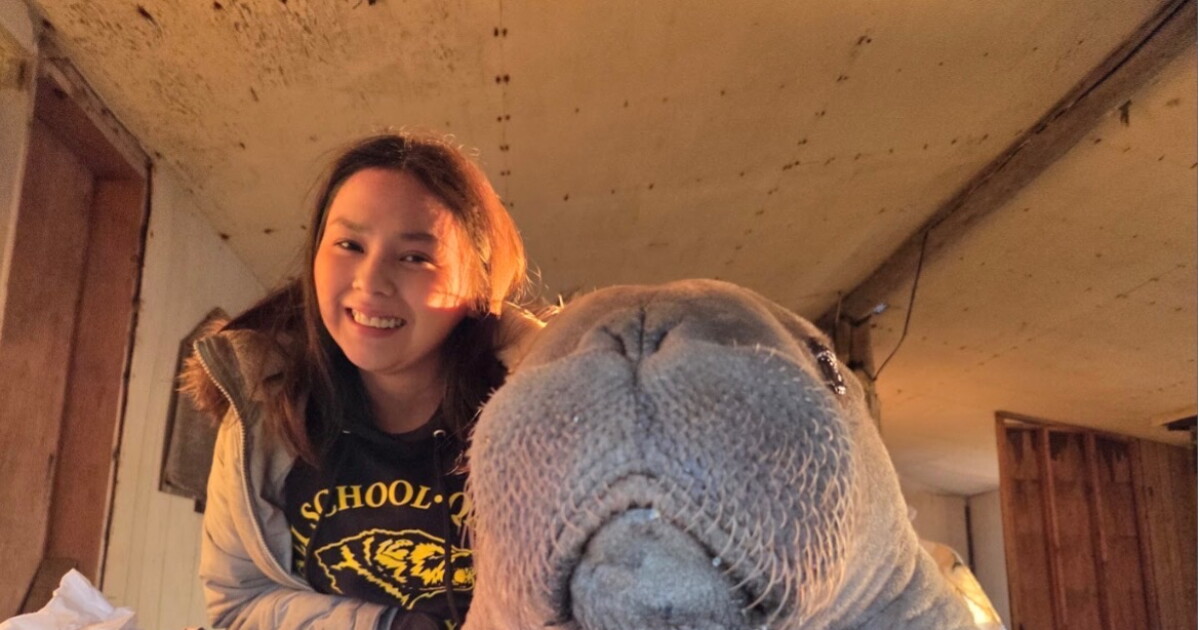
Near Point Lay, Alaska, Violet Anniskett found an orphaned walrus calf while working with a U.S. Geological Survey researcher in September. Alaska Public Media reported on October 12 that her community supported rescuing him, and the Alaska SeaLife Center took him in. The calf, named Annautaq, was doing well and had moved to a long-term home, according to the report. Photo: Anthony Fischbach, U.S. Geological Survey.

Read the source ↗
Violet Anniskett beside the rescued walrus calf; Anthony Fischbach, U.S. Geological Survey
More good news

More than 600 sea turtles brought in from the cold

A good-news story from earlier this year: NOAA Fisheries and partner organizations rescued more than 600 cold-stunned sea turtles from Florida’s St. Joseph Bay during the February 2026 cold snap. Responders brought them to rehabilitation facilities to recover. NOAA’s gallery follows the teamwork, transport and careful warming that made the rescue possible. This was a February event, not a rescue that happened today.

Read the source ↗
Close ×Enlarged comic