● TabBOOOne page. More perspective.✎ Customize
Your world, one good read at a time

TabLOID

The campus bill. A searchable planet. A robot with expensive lessons.

No. 39 · Miami BeachSunday, November 8, 2026Read at your own pace
A server cabinet in dinner clothes faces a long blank bill, a metaphor for paying a data center's local costs.
Catch up quick
  1. OpenAI promises its own future campuses will cover their infrastructure costs.
  2. Google gives generated video a longer running time and more editing controls.
  3. Planet turns satellite archives into a searchable conversation; HALO brings instructions to a research robot.
  4. Sudan's 2025 vaccination recovery offers good news, with access still fragile.

Open what interests you

01PICK UP THE TABThe data center gets the billOpenAI's new compact promises a better deal for its future neighbors.A resident presents a server cabinet with the bill for dinner, a conceptual illustration of infrastructure commitments.
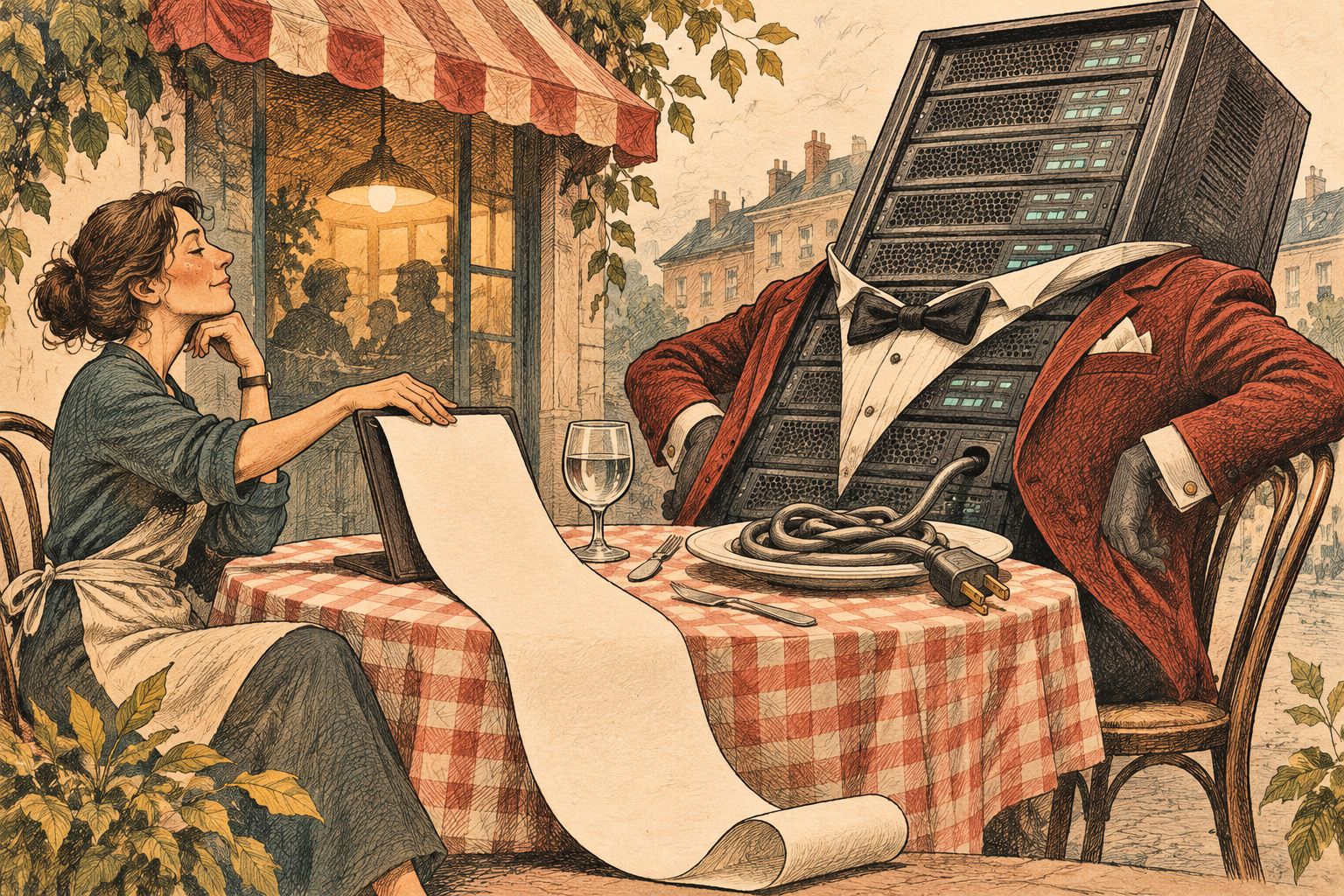
OpenAI announced a National Community Compact on November 5 for future campuses it owns and operates. The company says it will pay for the electricity and infrastructure needed to serve those sites, with financial assurances before major construction spending to protect other customers if plans change.

The commitments also include early community engagement and annual reporting on power, water, noise and hiring. OpenAI says it will avoid nondisclosure agreements with local officials, with narrow exceptions for legitimate security and sensitive business information.

The scope matters. This is a company commitment for its own campuses, not a rule covering every facility supplying OpenAI or the entire industry. A separate policy proposal asks governments to establish broader standards. Whether neighbors receive the promised protection will depend on the agreements and their delivery. The bill has been acknowledged; now comes the accounting. OpenAI's compact, November 5.
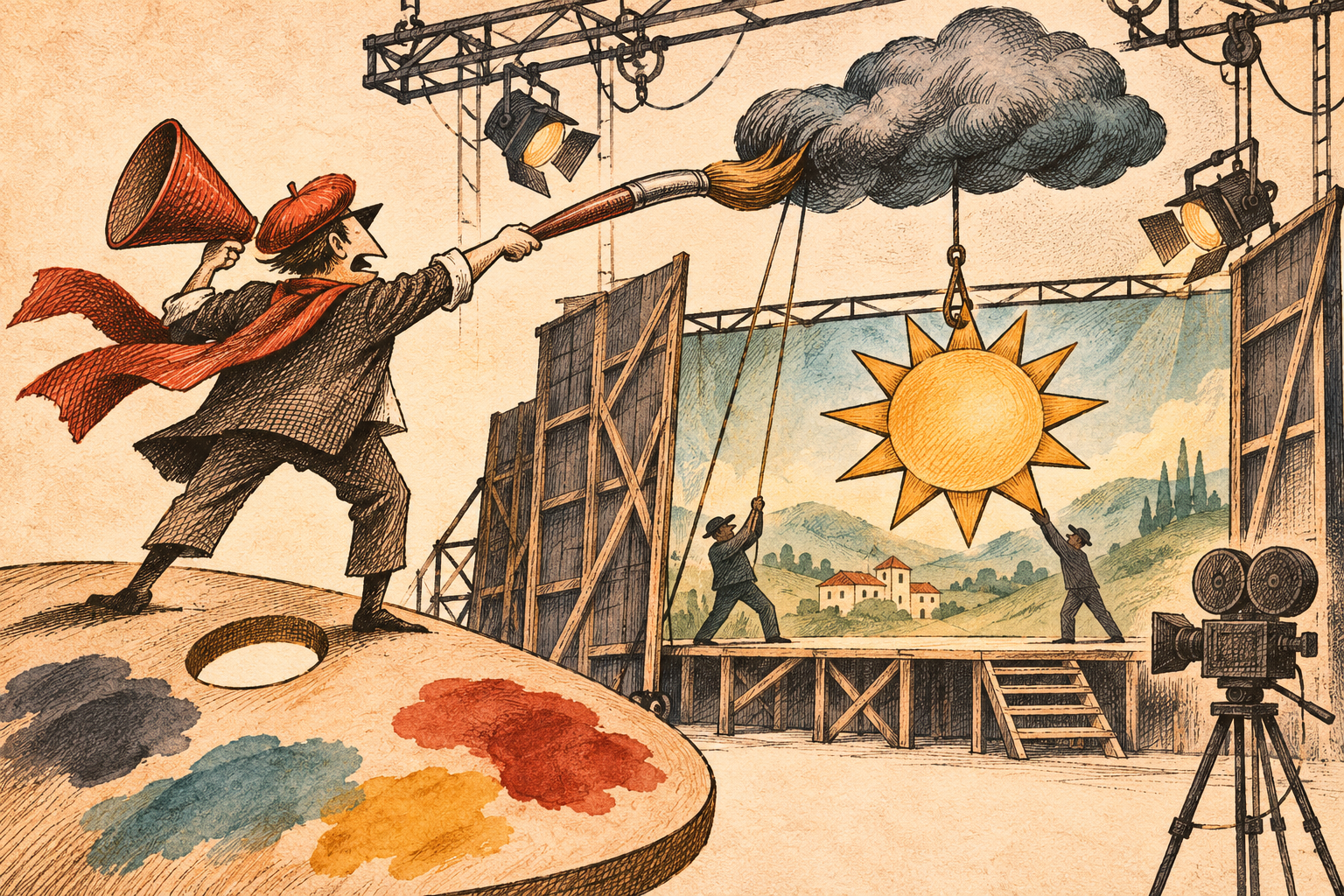
02THE WEATHER DEPARTMENTFifteen seconds, with a change of weatherGemini Omni adds room for a shot and tools for revising it.A director changes theatrical weather with a paintbrush, a metaphor for editing generated video.

Google introduced Gemini Omni 1.2 Flash on November 5, extending native video generation to 15 seconds and allowing durations from three to 15 seconds. The model is generally available through its API and Gemini for business.

The editing pitch is conversational: change a background, adjust the lighting or weather, or revise an aspect ratio without starting the whole project again. Google also describes better consistency and reference adherence. Those are the maker's claims, not a guarantee that every face, movement or object will survive an edit correctly.

For a creator, the attraction is a little more room to develop a visual beat and a shorter route to trying variations. The obligation is familiar: inspect the output. A convincing generated scene remains a constructed scene, however casually the software lets you order another take. Google's announcement, November 5.

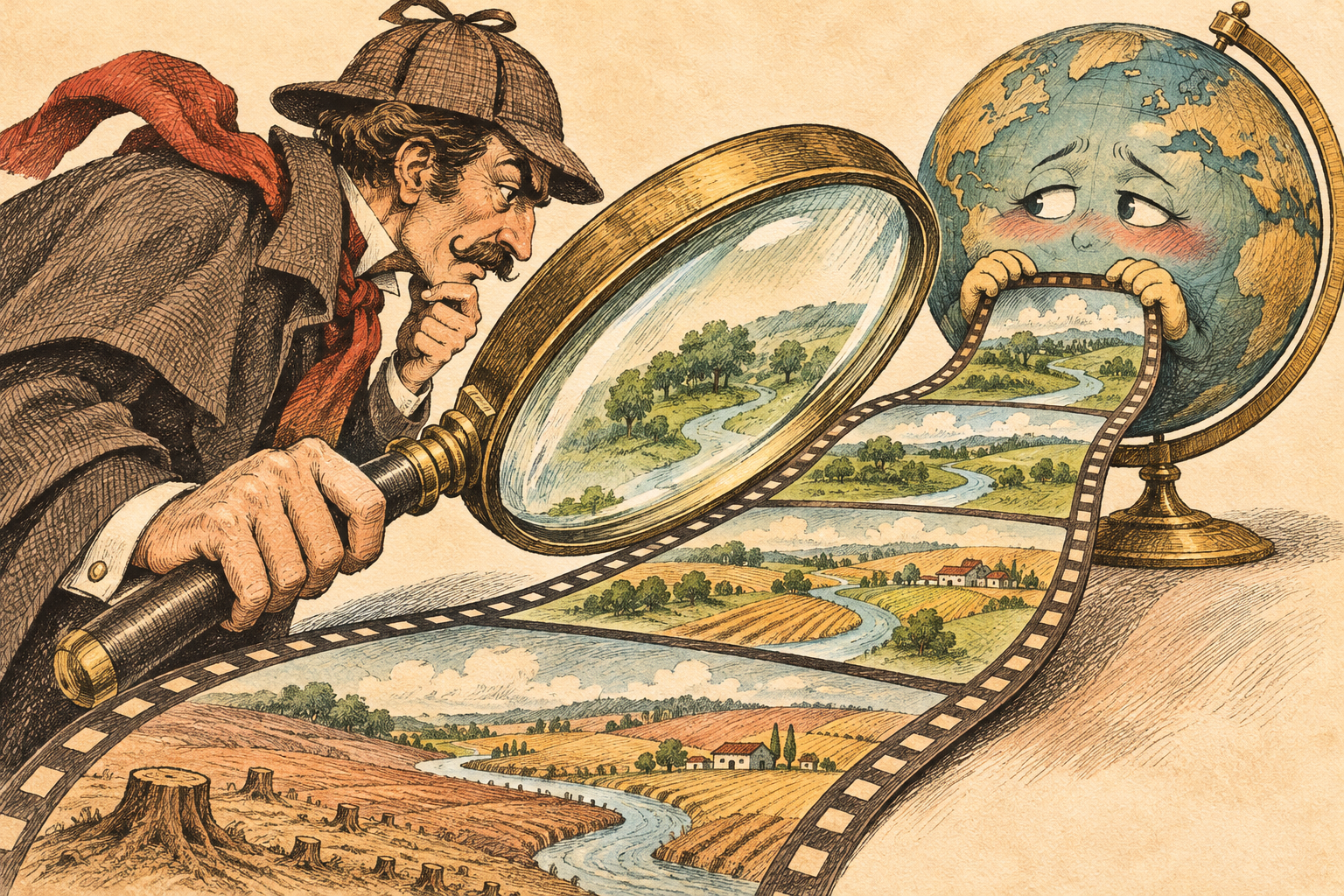
03THE PLANET HAS RECEIPTSAsk the globe what changedPlanet's new app puts a conversational front door on its imagery archive.A detective examines a globe's landscape filmstrip, a playful metaphor for searching satellite archives.

Planet launched its AI app on November 5, offering searches across more than ten years of satellite imagery through a map-based chat interface. Users can describe a kind of place, examine changes over time and inspect the imagery behind a result.

The company says search works with an AI interpretation of visual features in its monthly mosaics. It also describes research agents, external-file uploads and scheduled reporting. Launch access is free, with premium capabilities anticipated.

The useful distinction is between finding a lead and establishing a fact. Planet's own examples emphasize the discovery stage: locating places worth a closer look before a fuller investigation. A search result can point an analyst toward a changed landscape. It cannot, by itself, establish who caused the change or whether a law was broken. Open the images before writing the accusation. Planet's launch report, November 5.

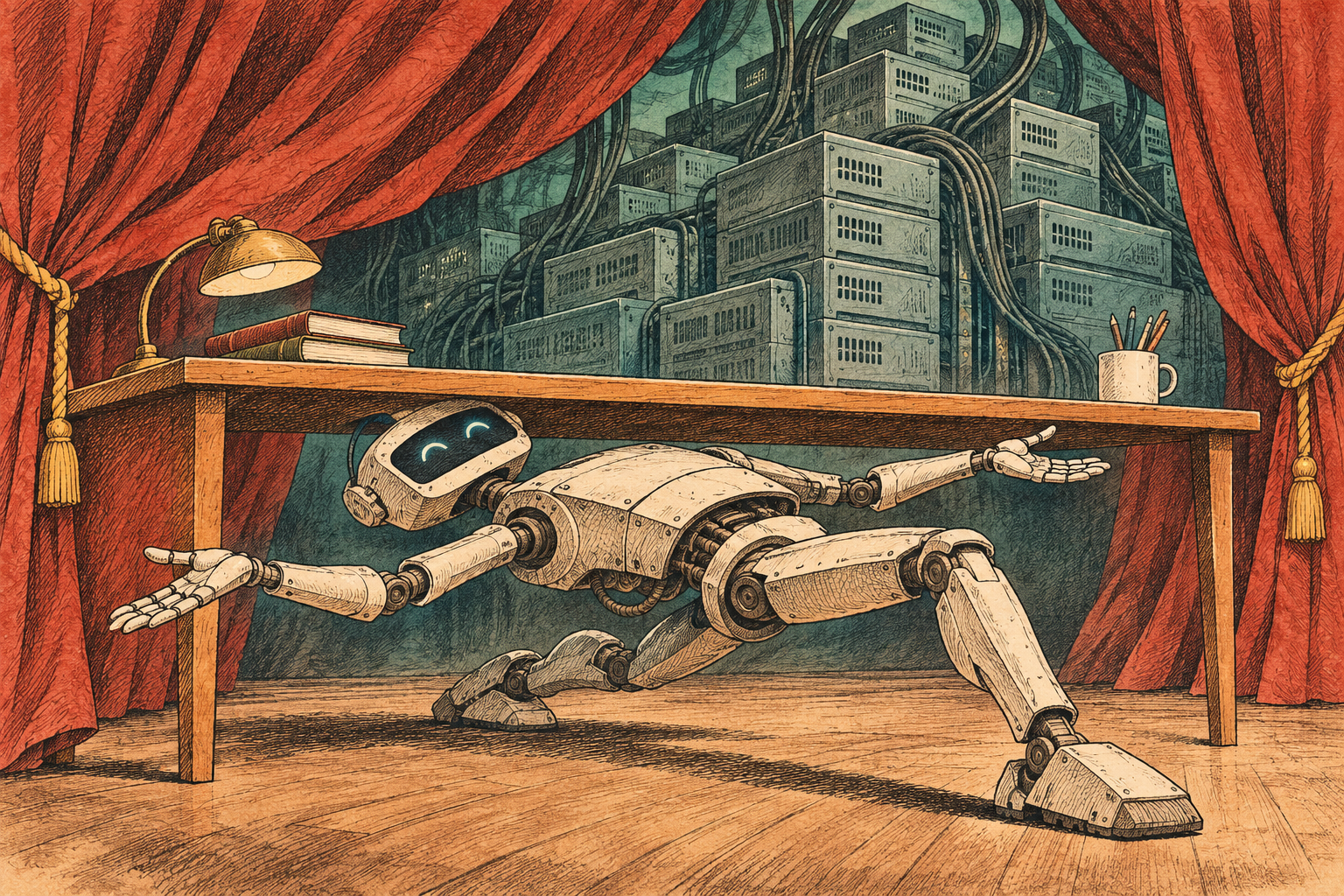
04LIMBO, WITH A SERVER ROOMA robot learns to duckHALO links language instructions to physical movement, after a substantial training effort.A robot limbos under a desk in front of a curtain revealing computers, contrasting performance with training effort.

Apple's HALO research project combines a language-guided planner, a motion generator and a fast movement tracker. Demonstrations include sitting, crouching, passing under a desk, pushing a box and following a person.

The project describes onboard orchestration and embedded control. That does not mean the entire system was developed on an ordinary desktop. Its published setup lists 250 H100 GPUs for dataset generation, 64 B200 GPUs for motion-generator training and four H100 GPUs for tracker training.

That distinction separates the resources needed to learn a skill from the resources used to perform it. HALO is a research demonstration of turning instructions into movement, not a finished household helper or proof of dependable behavior in every home. Getting under the desk is impressive. Working safely around everything else in the room remains a bigger assignment. HALO project and training setup, checked November 8.

Two more worth opening
The form would like to analyze itself

Google says Gemini can write and run Python over Forms responses to calculate results and investigate patterns. Rapid Release rollout began November 2; Scheduled Release begins November 19, so availability is not universal today. Eligible subscriptions apply. A correlation still needs interpretation. Google Workspace, November 5.

Football intelligence starts with watching film

Carnegie Mellon researchers have NFL game footage and player-tracking data. They have built separate pretrained systems for the two data types; a combined model and more predictive capabilities remain work ahead. This is research into understanding games, not an autonomous coordinator ready to call Sunday's plays. Carnegie Mellon, November 5.

Today's good news

Vaccination reaches more of Sudan's children again

UNICEF reported on September 7 that Sudan's coverage for the third dose of diphtheria, tetanus and pertussis vaccine rose from 39% in 2024 to 71% in 2025. The recovery reflects emergency work by health authorities and partners, including mobile outreach and cross-border supply routes through Chad. These are historical annual figures, not a new November measurement. Conflict and insecurity still threaten access, and the recovery remains fragile. Yet the increase records something concrete: more children reached with an essential routine vaccination despite extraordinary disruption.

Read the source ↗
More good news

Indonesia's long decline in extreme poverty

A June 13, 2025 World Bank factsheet documents Indonesia's sustained progress against poverty. Under the updated international extreme-poverty line of $3 a day in 2021 purchasing-power terms, 5.4% of the population was below the line in 2024. That measure is different from Indonesia's national poverty line and should not be read as a count of everyone facing hardship. The long-term improvement is real; the definition and year belong beside the number.

Read the source ↗
Close ×Enlarged comic